
How AI Character Platforms Actually Work: A Simple Guide
AI character platforms have become increasingly popular, offering users the ability to interact with realistic, customizable characters. But how do these platforms actually work? In this guide, we'll break down the core systems that make AI characters feel so lifelike and explore the different types of tools available.
The Core Systems Behind AI Characters
AI character platforms feel realistic because they combine three core systems: language models, memory, and personality layers.
Language Models
The language model is the foundation of any AI character platform. It generates natural, coherent conversation by analyzing vast amounts of text data. These models use advanced algorithms to predict the most likely response based on the input they receive.
Memory
Memory is what allows AI characters to remember past interactions. This system stores information from previous conversations, enabling the character to reference past events and maintain context. Without memory, AI characters would feel robotic and disconnected.
Personality Layers
Personality layers shape the tone, style, and behavior of an AI character. These layers define how the character responds to different situations, ensuring consistency and realism. For example, a character with a friendly personality will respond differently to a character with a more serious demeanor.
Types of AI Character Tools
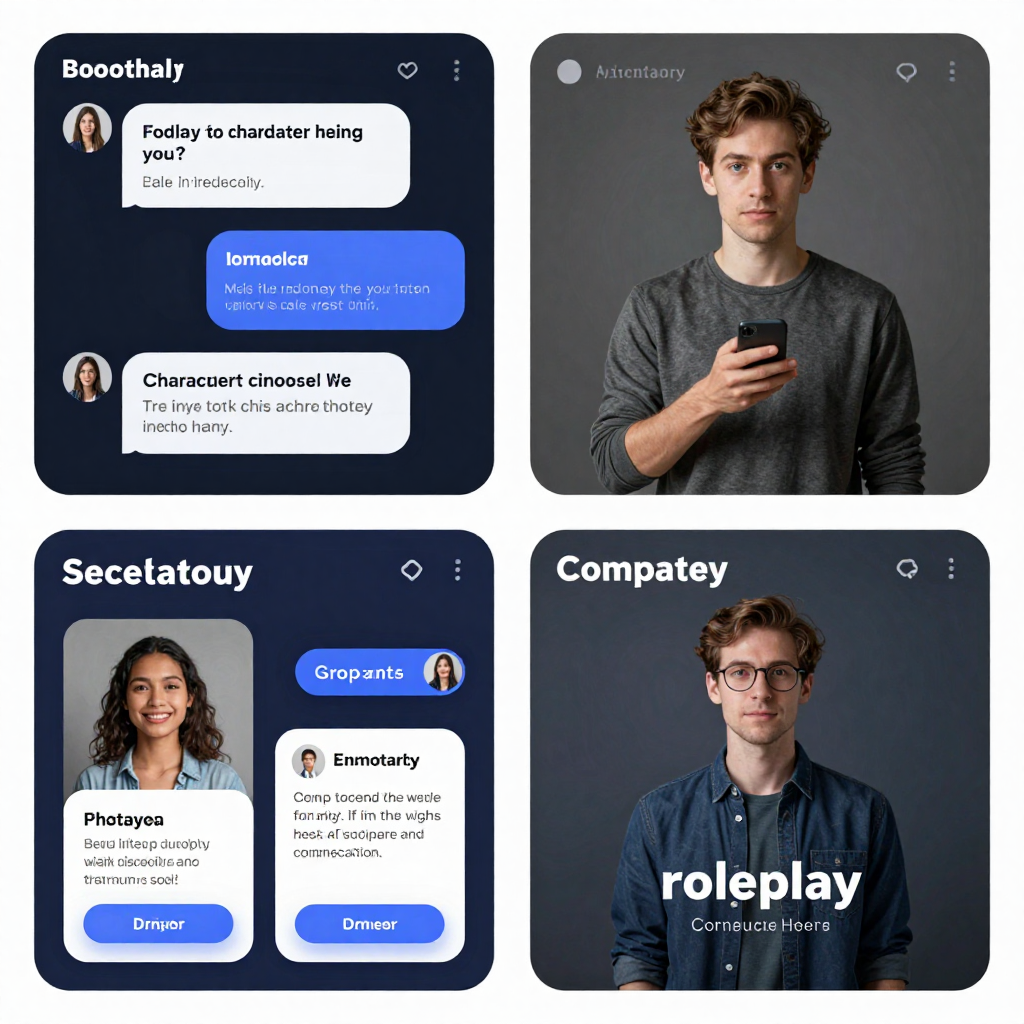
There are different types of AI character tools, each catering to specific needs and preferences. Some focus on conversation, others on roleplay, and some on full character creation.
Conversation-Focused Tools
Conversation-focused tools prioritize natural, engaging dialogue. These platforms are ideal for users who want to have meaningful conversations with AI characters. They often include features like sentiment analysis and contextual awareness to enhance the interaction.
Roleplay Tools
Roleplay tools allow users to immerse themselves in different scenarios and characters. These platforms are popular among gamers and writers who want to explore different narratives and storylines. Roleplay tools often include advanced customization options for characters and settings.
Character Creation Tools
Character creation tools let users design their own AI characters from scratch. Platforms like DeepMode allow users to generate highly personalized AI characters with visual and personality control. These tools often include a wide range of customization options, from appearance to behavior.
What Makes an AI Feel “Real”
What makes an AI feel “real” isn’t intelligence alone—it’s consistency. Memory, tone stability, and contextual awareness matter more than raw model power. A well-designed AI character should be able to maintain a consistent personality and remember past interactions, making the experience feel more authentic.
The Future of AI Character Platforms
As these systems evolve, expect more persistent memory, better emotional realism, and deeper personalization. Future AI character platforms may include advanced features like emotional intelligence and adaptive learning, allowing characters to evolve and grow based on user interactions.

Conclusion
AI character platforms combine language models, memory, and personality layers to create realistic, engaging interactions. Whether you're looking for a conversation partner, a roleplay companion, or a customizable character, there's a tool out there for you. As technology advances, these platforms will continue to evolve, offering even more immersive and personalized experiences.
For more information on AI character platforms, check out our guides on best AI tools for content creation and how to customize AI characters.